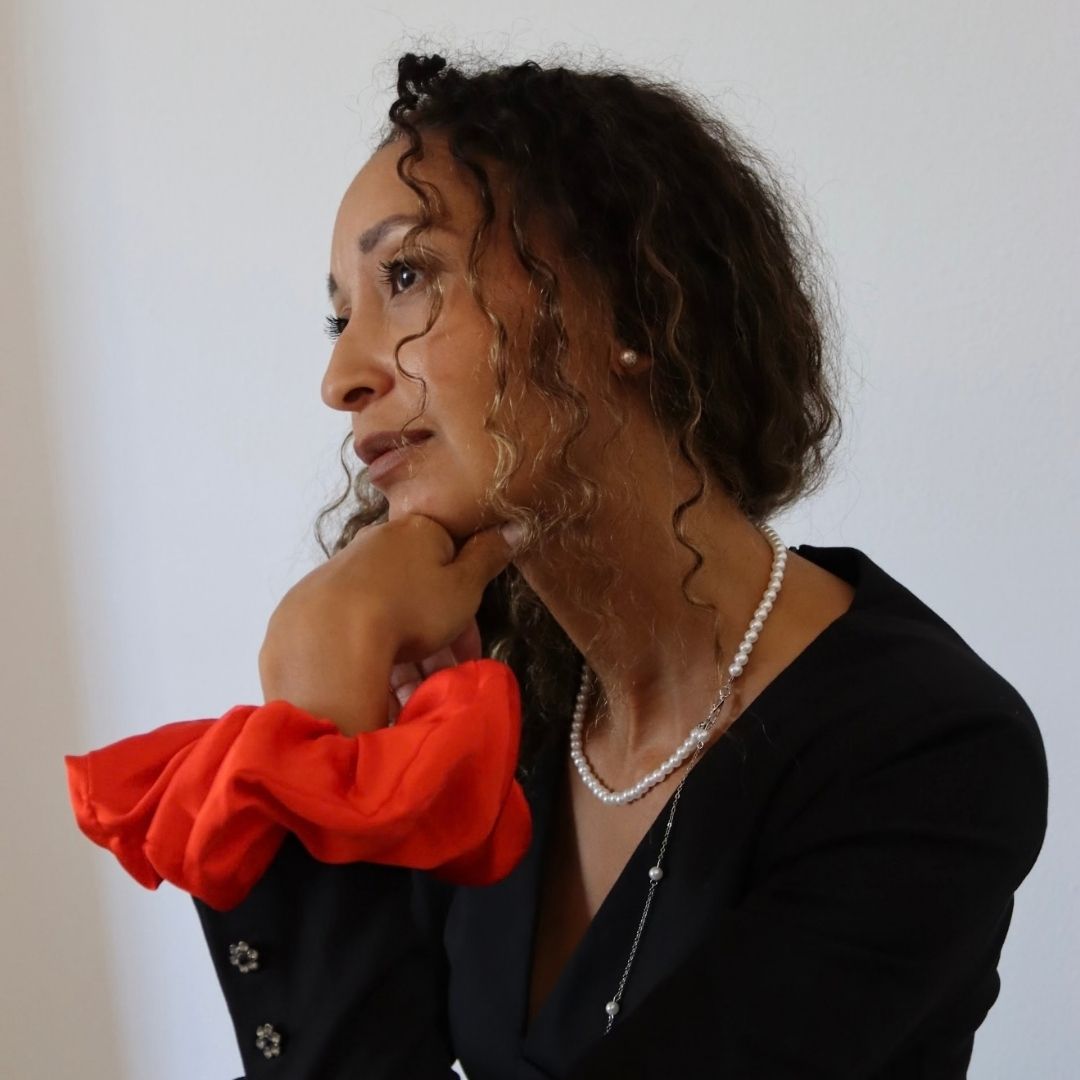
Within the last decade, what is considered haircare has evolved considerably, owing largely to the forever-expanding bond repair and building category. Things are of course changing, but other measures still tend to fall outside of what’s accepted. Angela D. Muth, founder and CEO of the Black-owned premium hair accessory brand, LINA LENNOX, wants to change that.
Muth’s approach is simple: hair protection is haircare. Her brand’s bonnets and scrunchies are made using 100% organic mulberry silk, which helps preserve the health, longevity and appearance of hair. LINA LENNOX is completely self-funded company is a six-figure business just shy of two years after launching and it just expanded into Ulta with Target to follow later this month.
We spoke with Muth about the inspiration behind LINA LENNOX, why material quality matters, the role hair protection should play in haircare and what she’s learned while building the brand from the ground up.
Keep reading for our conversation.
The Tease: Bonnets have existed for generations. What did you feel was missing from the category when you set out to launch your own brand and products?
Angela D. Muth: Although the tradition of the bonnet and nighttime hair protection has existed for generations, it wasn’t something I personally incorporated into my own routine until adulthood, after moving to the U.S. By that point, I had already spent more than a decade working globally in consumer goods, following an earlier career as a child and teen model. So when I began using bonnets myself, I naturally approached the category through both a consumer and product-development lens.
As I tried many of the options commonly available on the market, I kept encountering the same challenges. Some trapped heat and made me sweat, others wouldn’t stay on throughout the night, and certain materials and constructions irritated my scalp and caused painful sensitivity.
Then in 2022, when I was pregnant with my daughter, Lina, I became much more intentional about the products and materials I was bringing into my everyday life—what I was putting on my hair and scalp, what was touching my skin and even what I was sleeping in. I started researching materials and chemical exposure much more deeply. The more I learned, the more I wanted to understand whether hair protection could be made differently.
Because of my background in consumer goods, my instinct was to start sourcing. I looked globally for better materials and manufacturing partners and began designing around the three gaps I kept coming back to: fit, material integrity and design.
I wanted a bonnet that stays on through the night and actually comfortable to sleep in. I wanted to be incredibly thoughtful about the materials and dyes we use and how they are tested. And finally, I wanted it to be beautiful. Hair protection shouldn’t make a woman feel like she has to compromise how she sees herself. Every woman deserves to feel like the beautiful queen she is.
Those three principles — function, material integrity and beauty — really became the foundation of LINA LENNOX.
LINA LENNOX uses 22-momme certified organic mulberry silk. Why silk vs. other fabrics, and why this silk?
Muth: There is a very functional reason we chose silk. Silk is a natural protein fiber with a remarkably smooth surface. That smoothness means less mechanical friction against the hair as you move during sleep, which is particularly important for curls, textured hair and fragile or chemically treated hair. Mulberry silk, is known for its smooth, continuous filaments and is particularly well suited to creating the soft, uniform surface we wanted against the hair.
Silk also behaves very differently from many synthetic fabrics. It has natural moisture-regulating properties and can absorb and release water vapor, which contributes to its comfort against the body. That was important to me because one of my frustrations with previous bonnets was feeling hot and sweaty during the night.
We also chose silk rather than cotton because cotton is considerably more absorbent. For something that is in contact with your hair for seven or eight hours every night, our goal is to minimize unnecessary friction and avoid a highly absorbent surface pulling moisture and oils away from the hair.
Then there is the quality of the silk itself. We use 22-momme mulberry silk. Momme is essentially a measure of silk fabric weight and density—the higher the momme, generally, the more silk material there is within a given area of fabric. Twenty-two momme gives us the balance we were looking for: substantial and durable enough for something that’s used night after night, while still feeling incredibly soft and breathable.
And because our bonnets are double-lined, the hair is surrounded by that silk.
What do hair pros need to know about the quality and weight of the silk — and what difference can they make for hair?
Muth: For a hair professional, I think the most important takeaway is that the word ‘silk’ alone doesn’t tell you everything about a product. The type and quality of the fiber, fabric weight, finishing, dyes and construction all matter. We selected each of those elements very intentionally because this isn’t simply a beautiful fabric to us — it’s a functional material.
Bonnets have deep cultural roots, particularly within the Black community. As the category becomes increasingly mainstream and positioned as luxury haircare, how do you think about honoring that history while helping move the conversation around bonnets forward?
Muth: I truly believe that the benefits of nighttime hair protection can be relevant across hair textures, but expanding that conversation should never mean erasing where so much of the knowledge and tradition around bonnets comes from.
Black women have understood the importance of protecting textured hair at night for generations. Long before the broader beauty industry began talking about reducing friction, preserving moisture or extending a hairstyle overnight, these practices were already deeply embedded within Black haircare.
I think both truths can exist at the same time. We can honor and acknowledge those cultural roots while also recognizing that the underlying principles of hair protection can benefit many different hair types.
That inclusivity is very important to LINA LENNOX. Our consumer may have coils, curls, waves or straight hair. She may be protecting braids, preserving a blowout, trying to maintain moisture or simply trying to reduce unnecessary friction while she sleeps. Her reasons may be different, but the idea of being more intentional about protecting the hair is universal.
For me, moving the category forward isn’t about rewriting its history. It’s about giving that history the respect it deserves while inviting more people into the conversation around hair protection.
You’ve said that protecting your hair shouldn’t mean compromising your aesthetic. How has that philosophy influenced everything from product construction to the colors and overall design?
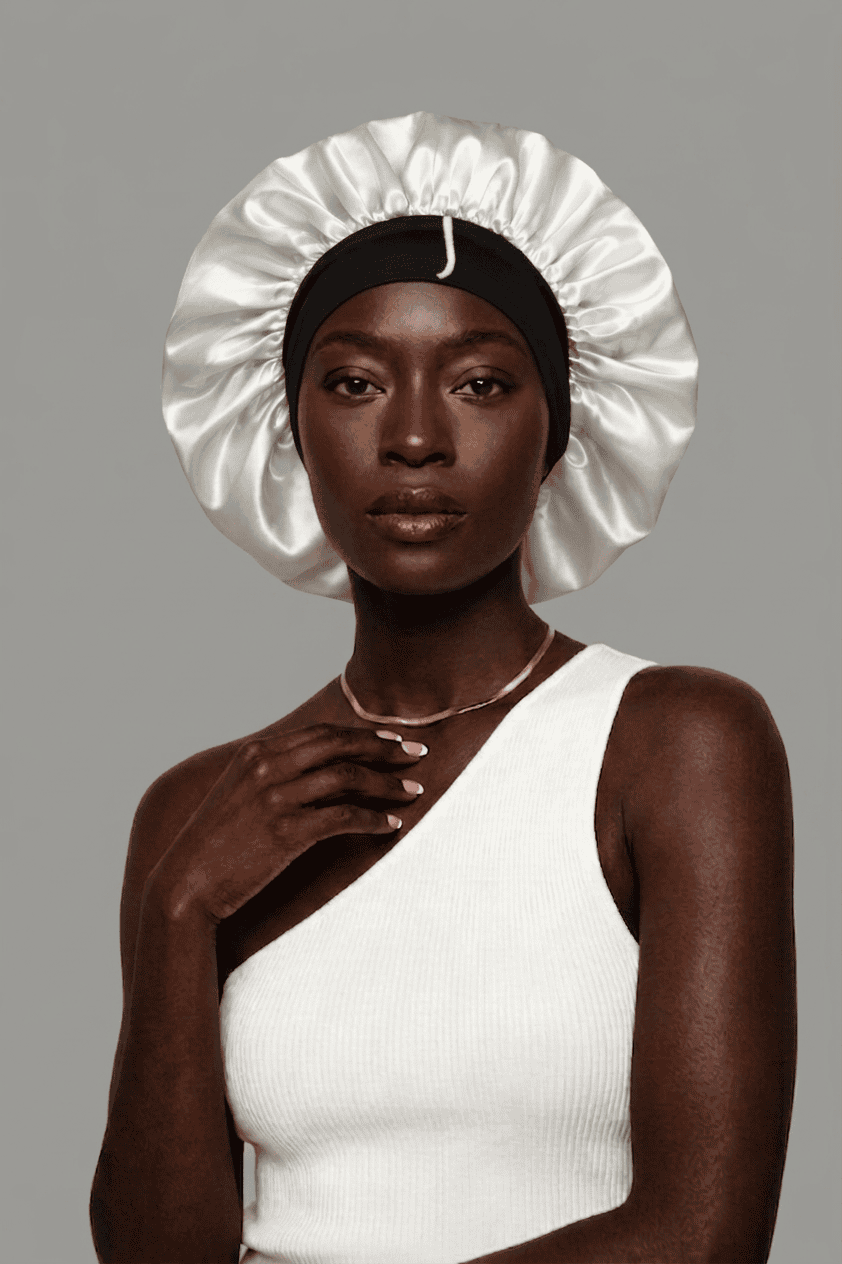
Muth: That philosophy influences almost every decision we make at LINA LENNOX. I never understood why something we wear every night has to be treated as purely utilitarian. Beauty and function aren’t opposites. A bonnet can stay on, accommodate different hair volumes, protect the hair and be comfortable—and still make the woman wearing it feel beautiful.
That’s why we spend so much time on construction. Our bonnets are double-lined, we’ve developed adjustable fits, and we design different silhouettes and sizes because beautiful design means very little if the product isn’t performing at three o’clock in the morning.
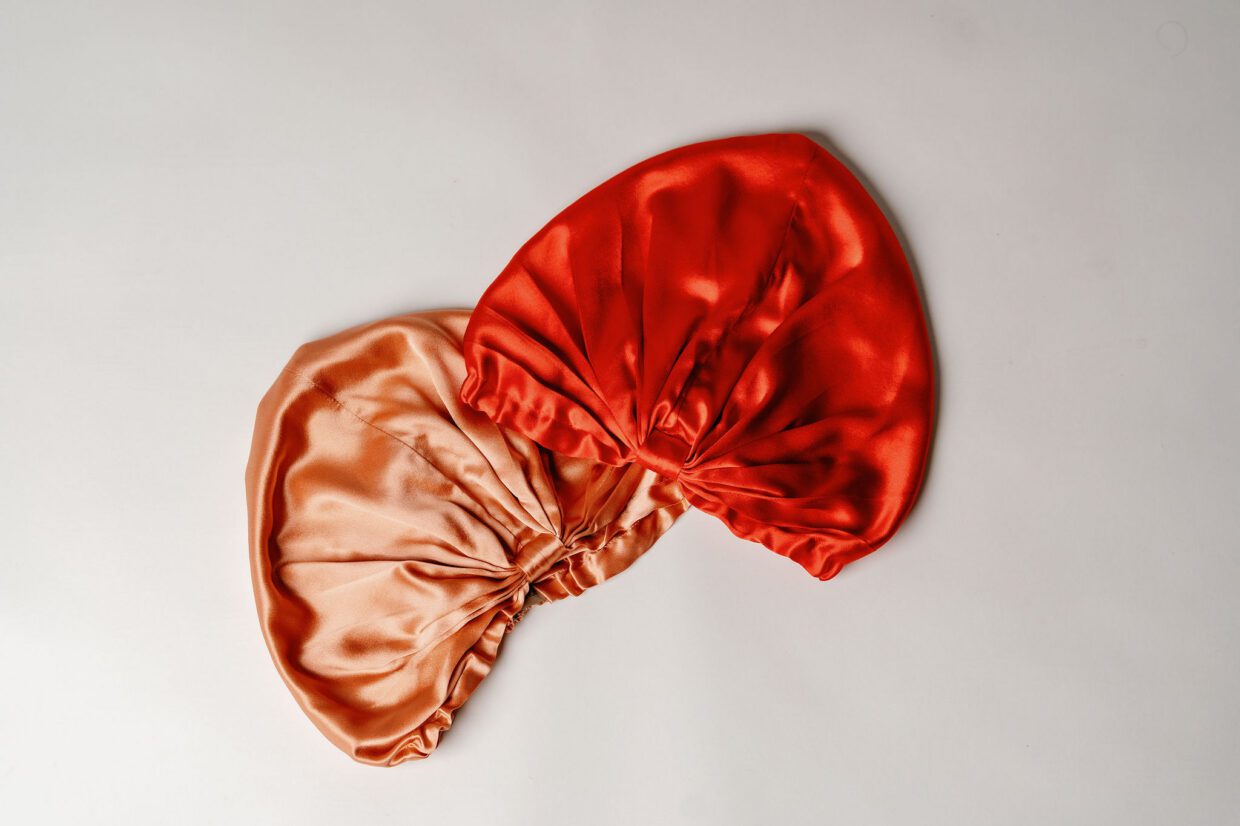
But I’m equally particular about the visual side. I come from a fashion background, so color, proportion and silhouette are incredibly important to me. I don’t approach our colors as an afterthought; I think about them almost like a collection. Some combinations are timeless and understated, while others are more expressive.
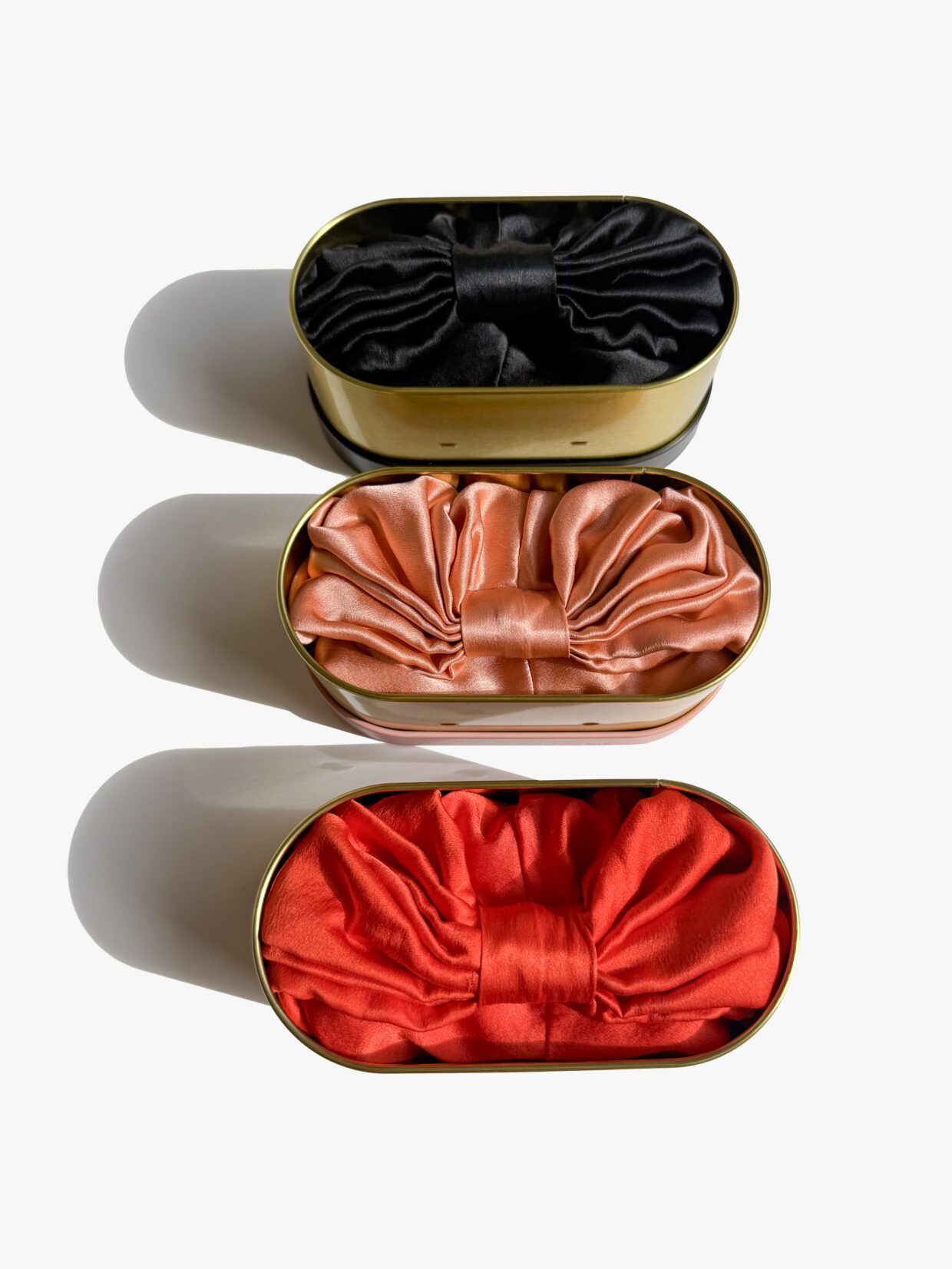
The same philosophy led to The Cocoon, our reusable tin. I didn’t want to create a beautiful product and then put it into packaging that gets thrown away—or have the bonnet end up hidden in a drawer. The Cocoon gives it a home on your vanity or nightstand.
Ultimately, I want a woman to put on a LINA LENNOX bonnet, look in the mirror and still feel completely like herself. Protecting your hair shouldn’t require compromising your aesthetic.
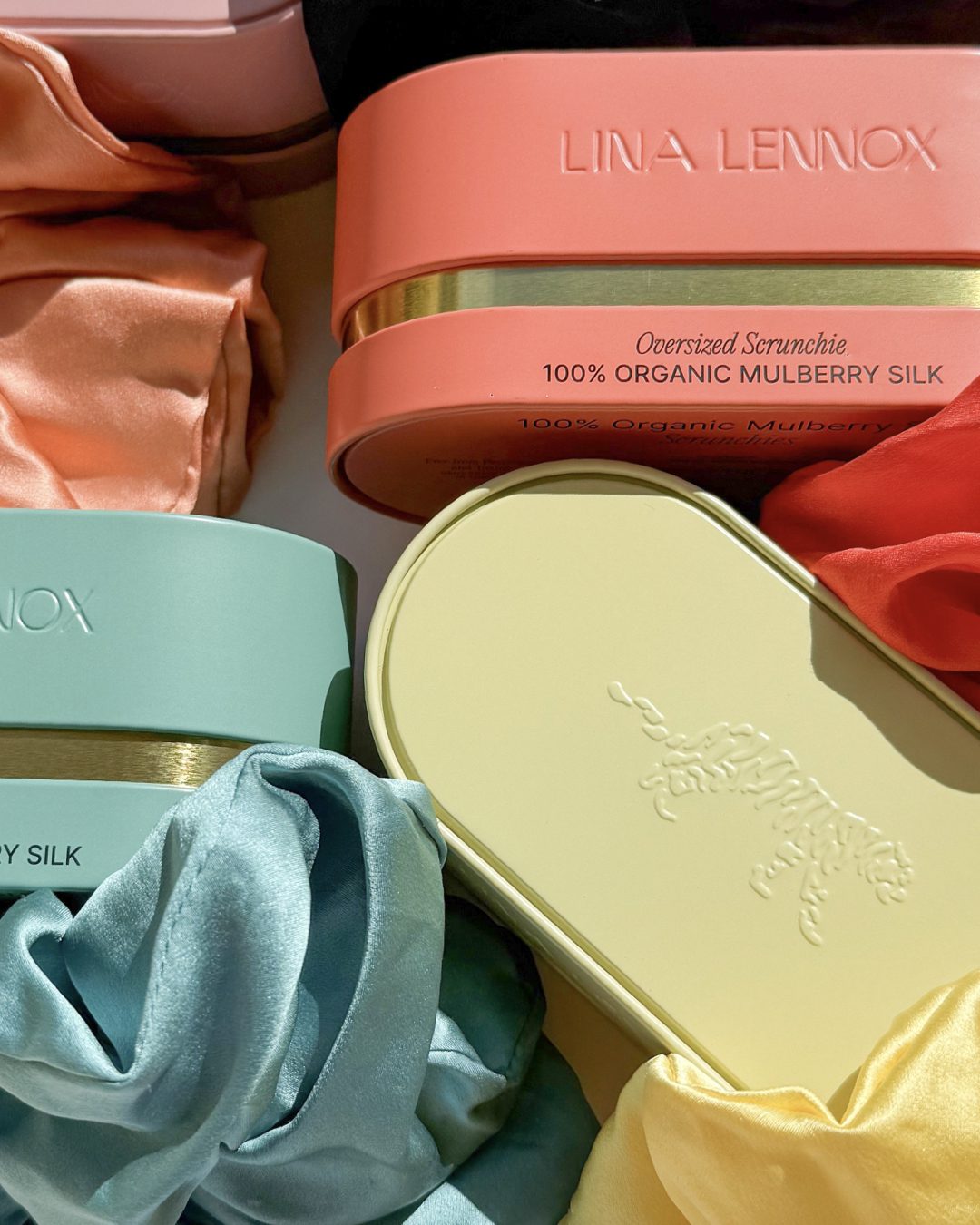
Could you tell us about sourcing the materials as a small business? The brand emphasizes details like the double lining, adjustable fits, organic silk, and non-toxic certification. How challenging is it to maintain those standards while building and scaling the business? And have you experienced any hiccups, especially of late, given trade “disruptions” and tariffs?
Muth: The silk we use isn’t something we can simply source from anywhere, and finding the right partners was one of the most important decisions I made early in building LINA LENNOX.
I traveled to China personally to meet suppliers, understand their capabilities and see manufacturing practices firsthand. China has an extraordinary history and depth of expertise in silk production, and I wanted to go directly to the source rather than make those decisions from behind a computer.
I’m fortunate that I came into LINA LENNOX with significant experience in sourcing and supply chain, so I knew what questions to ask and what I wasn’t willing to compromise on. We were able to develop relationships with highly regarded suppliers who understood the vision and were willing to grow with us. That mattered enormously in the beginning because, as a small brand, you’re not placing the volumes of an established global company. We had partners who allowed us to begin at smaller quantities while we built awareness and demand.
As we’ve grown, our standards haven’t changed. We review certification documentation regularly, work closely with our suppliers and use third-party testing as another layer of verification. The organic silk, dyes, construction, double lining and fit aren’t details we’re willing to dilute simply because we’re producing more.
Trade disruptions and tariffs have absolutely made that more difficult. The additional duties on goods manufactured in China have significantly increased our landed costs. We had a choice: compromise on the product, move to a material or supplier that didn’t meet our standards, or absorb a meaningful portion of that increase as a business. We chose to protect the product.
It’s painful from a margin perspective, particularly for an emerging indie brand, but I’d rather solve the operational challenge behind the scenes than ask the consumer to accept a lower standard.
As a founder, what is your larger vision for LINA LENNOX? Do you ultimately see it remaining focused on elevated silk essentials, or becoming a broader hair-health and beauty brand?
Muth: Our founding mission is hair protection. Silk is the vehicle that allowed us to begin that conversation, but it isn’t necessarily where that conversation has to end.
We’re very intentional about that distinction because I don’t want LINA LENNOX to become a brand that simply puts its name on every possible silk product. Any category we enter has to have a reason to exist and connect back to what we’re ultimately trying to accomplish: creating thoughtful, beautifully designed products that make an intentional difference in our consumers’ care routines.
Are we open to exploring other materials in the future? Never say never. But as LINA LENNOX continues to grow and evolve, the standard will remain the same: there has to be a genuine functional benefit, and anything we introduce has to meet the level of quality, intention and consideration our consumers expect from us.
We’re also listening very closely to our community. Silk has applications beyond the hair and scalp, particularly because of its smooth surface and the way it can interact with the skin, so there are certainly interesting possibilities there as well.
But I don’t want to predetermine every category today. Some of the best product ideas come from listening to what our community needs and allowing the brand to evolve alongside them. Our first priority is to solidify LINA LENNOX as an authority in hair protection. From there, we’ll thoughtfully explore where that expertise, our approach to materials and our commitment to beautiful, functional design can take us.
For more on all things LINA LENNOX, be sure to follow the brand on social media.