
Bond repair, damage reversal, stronger hair, more beautiful strands. We all know the beauty industry has no shortage of grand claims, but Nathan Puksta has a question: Where is the proof?
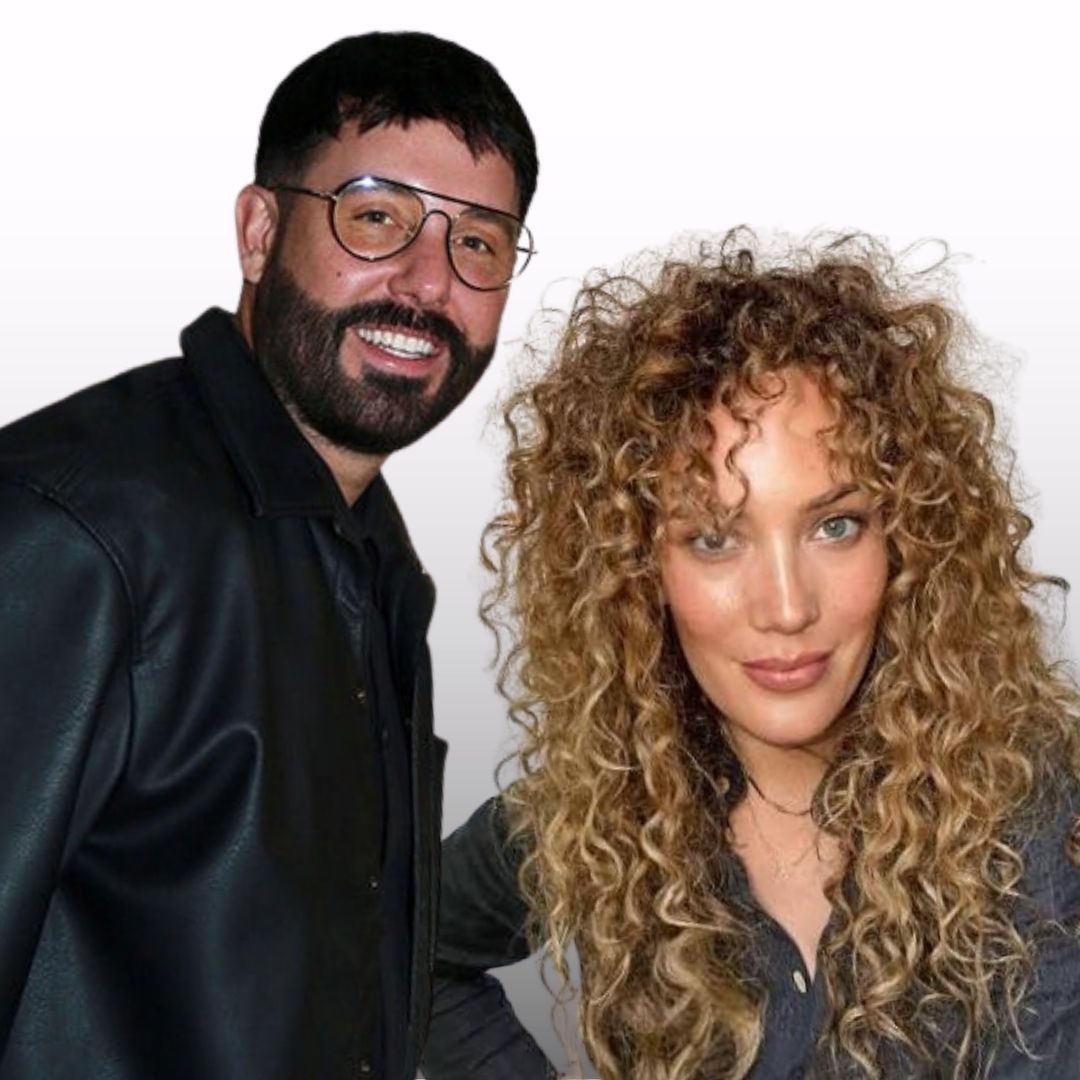
Nathan, the founder of Filament Sciences, a research-driven haircare brand focused on improving hair health, is joined by celebrity hairstylist and educator Amber Maynard to further discuss the future of haircare and what that means for stylists and clients alike.
With nearly 20 years of experience in the global beauty industry, Nathan spotted a major gap in the hair strengthening category, presenting him with an opportunity to approach damage differently and explore what strengthening could look like beyond what was already available in the market.
“There’s obviously a lot of bond builders on the market,” Nathan explained. “But it’s not another bonding product per se.”
Filament Sciences began exploring tensile strengthening, which Nathan describes as a way to look beyond repairing individual bonds and instead turn towards improving the overall resilience of hair.
“I think a lot of stylists that I was talking to were really interested in, ‘How we can strengthen the hair with new technology?’,“ Nathan said.
Because “Trust Us” Isn’t a Testing Method
Developing new forms of technology required finding ways to quantify whether it actually worked.
“When we were looking at what we want to quantify in the lab and what we want to claim and say, we need to make sure that we have the right equipment and that we’re testing it in a way that can be quantifiable,” Nathan said.
Filament did this through pairing molecular and laboratory testing with consumer and stylist panels, asking this one simple question: Can the stylists and client actually feel the difference?
“I can sit here and say that we have clinical testing equipment and we have petri dish images and all that kind of stuff, that this product is doing this science to your hair,” Nathan said. “But unless she’s feeling it or the stylist is feeling it, is it really real?”
Amber’s answer was yes, but not just because the hair felt stronger.
“What I loved about Filament was it not only strengthened the hair, but it also felt soft afterwards,” she reflected.
For a stylist like Amber, who works with lightening hair, extensions, and other complex services, this combination is of utmost importance.
“A lot of clients were complaining that they weren’t getting that soft result,” Amber said. “Being able to offer that to them now has just been a game changer.”
Better Science = More Creative Freedom
With more advanced science comes more expansive creative freedom; the bigger possibilities are no longer healthier-feeling hair, but instead it’s the opportunities that stronger hair can grant to stylists.
Nathan and Amber see strengthening technology as a way to transform a client’s hair while still respecting the limits of what hair is capable of doing. But, at the same time, better technology doesn’t replace better education. It is still vital for stylists to understand the hair, the chemistry, and the extent to which a client’s hair can change.
“[Know] your limits with what the product can do,” Amber cautioned. “Don’t think that you can just go in there, and, you know, bleach…hair and expect it to work if you don’t know how the product is working.”
In this moment in time, haircare is headed away from the notion of “because the bottle says so,” and more towards the goal of proving products work.
“If our research can be helpful to the entire industry, even to our competitors, if I’m honest, then I think that’s a win,” said Nathan.
Learn more about Filament Sciences and the future of haircare by tuning in wherever you pod. Check out our Instagrams here at @readthetease and @volumeupbythetease.
