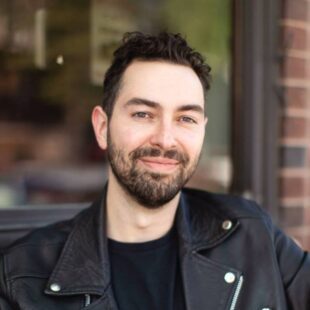
Whitney VerMeer, the internationally-renowned creative director, platform artist and award-winning hairstylist, has proudly called Minneapolis, Minnesota home for years. Now, since the start of Immigration and Customs Enforcement’s (ICE) “Operation Metro Surge,” the fatal shooting of Renee Nicole Good by an ICE officer, and everything that has played out in the weeks that have followed, she says it’s “unrecognizable.”
The Tease got in touch with VerMeer earlier this week to get her account of what’s happening in the city seemingly under siege. Read on for our conversation including her words of warning to salon professionals watching from afar — or worse yet, tuning it out.

The Tease: In the wake of the fatal shooting of Renee Good, the current administration has denied responsibility, blamed her, sent more ICE and other federal agents to Minnesota to engage in more violent suppression tactics and suggested they would enact the Insurrection Act to tamp down lawful, peaceful protests. Could you describe what it’s actually like in Minneapolis now?
Whitney VerMeer: Minneapolis feels completely unrecognizable. This is the first place that ever felt like home to me. I have always felt safe here, especially as a gay person. This city is built on inclusivity. We know our neighbors. We look out for each other. That’s what makes what’s happening now so devastating.
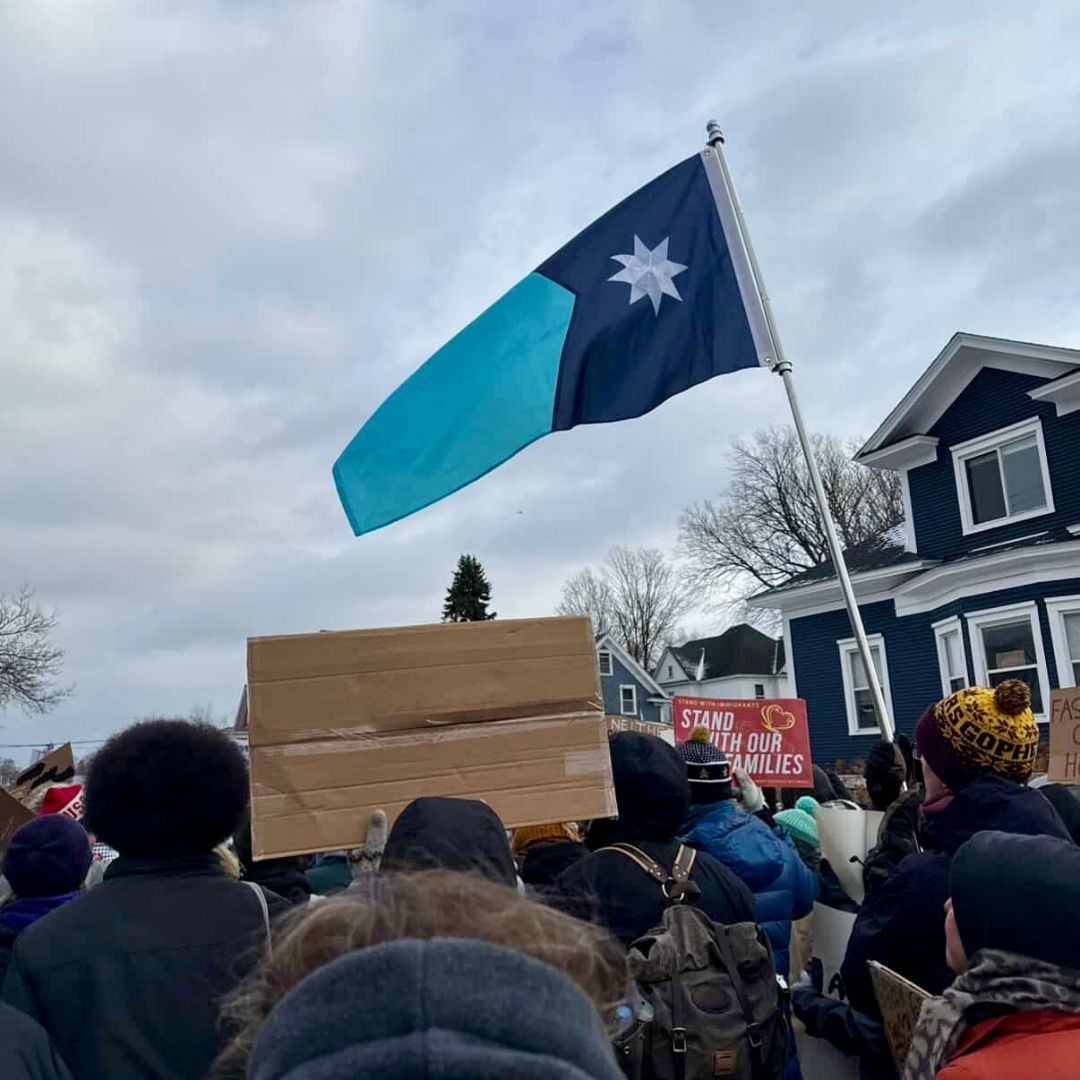
What we are seeing on the ground is fear and escalation. There is a heavy federal presence and it feels antagonistic, not protective. Protests and vigils have been constant, but so have aggressive suppression tactics. People have been pepper sprayed. Children have been pepper sprayed. Tear gas has been deployed in neighborhoods, and even a six month old baby was affected by it. That is not crowd control. That is trauma.
There is a growing list of incidents. People being grabbed, threatened, and intimidated. Federal agents showing up masked and armed. The message is very clear: compliance or punishment. And it creates an us versus them environment that is terrifying to live inside of.
This is not just about immigrants. That’s the part people outside Minnesota are missing. It’s everyone. Protesters, observers, neighbors, journalists, parents, queer people, people just trying to live their lives. The line keeps moving, and none of us feel immune from it.
We feel helpless. We are living in fear. It does not feel safe to defend your neighbor, to intervene, or even to document what’s happening without risking serious harm. That goes against everything this city stands for, and watching that fabric unravel in real time has been heartbreaking.
What are you seeing? What have you experienced firsthand?
VerMeer: What I am seeing firsthand is a city that feels completely different than it used to. Minneapolis feels hyper-vigilant, unstable, and unpredictable. I have lived here a long time and I have never felt this level of tension in daily life.
There are constant visible federal agents, unmarked vehicles, wearing armored gear. Streets that used to feel normal now feel watched. People are on edge, scanning their surroundings, changing routines, avoiding certain areas or events entirely. You can feel fear sitting just under the surface.
I have watched peaceful protests get met with an overwhelming show of force. Tear gas and pepper spray deployed quickly. People running not because they are violent, but because they are scared. Parents pulling kids away. Medics and observers being treated like threats simply for being present.
Personally, I am more cautious than I have ever been. I think twice before leaving the house. I am constantly aware of exits, crowds, and police movement. There is a baseline anxiety that did not exist before. It is exhausting.
What is most disturbing is how normalized this has become. The idea that federal agents can operate with little accountability, escalate situations, and then shift blame onto the people they harm has created a deep sense of distrust. It feels like the rules change depending on who you are, and that realization is terrifying.
This is not just something I am reading about. It is something I am living inside of. The city does not feel safe in the way it once did, and that loss of safety is felt everywhere.
How are you coping personally?
VerMeer: Personally, I am not coping by limiting exposure or tuning things out. I stay informed because I need to. This is not something I can afford to disengage from, even when it is heavy.
I am very aware that as a white person I come from a place of privilege. Because of that, I feel a responsibility to step up, to pay attention, and to speak out for my community and for the people I love who are far more vulnerable than I am. Ignoring what is happening would feel like a betrayal of that responsibility.
At the same time, this takes a real emotional and psychological toll. I am carrying grief, anger, and fear, and I am navigating that by staying connected to people I trust, maintaining boundaries where I can, and grounding myself in work and routine so I do not spiral.
I am doing my best to stay awake without becoming consumed. This is about survival, integrity, and showing up for others, not about politics or outrage for its own sake.
How are you seeing the Minneapolis and wider-Minnesota community respond to ICE/federal officers and this administration’s antagonism for lack of better phrasing?
VerMeer: What I’m seeing is a community that is activated but also deeply shaken. People are showing up for each other in real ways. There are protests, vigils, and mutual aid efforts happening constantly, alongside people documenting federal activity and trying to keep their neighbors safe.
At the same time, there is a lot of fear. Immigrant families, people of color, and queer communities are especially on edge, and that tension is felt across the city. Many people are moving more cautiously, changing routines, and relying on community networks rather than institutions they no longer trust.
There is strong resistance to the federal presence, but it’s rooted in protection and solidarity more than chaos. People are angry, yes, but they’re also organized, informed, and determined not to let intimidation break the fabric of the community.
What do you want salon professionals to know?
VerMeer: I want salon professionals to understand that what’s happening is not separate from our industry or our lives. Our clients, coworkers, friends, and families are directly affected by this. Many people coming into our chairs are scared, grieving, or carrying stress they don’t know how to name yet.
Salons have always been spaces of trust, safety, and conversation. We don’t have to be political experts, but we do have a responsibility to lead with humanity, awareness, and care. Pay attention. Protect your people. Be mindful of how power, language, and silence show up in your space.
Most importantly, do not underestimate the impact you have. Being informed, compassionate, and willing to stand up for your community matters more right now than pretending this isn’t touching all of us.
How can salon pros, and others, outside of Minnesota show their support?
VerMeer: For anyone outside Minnesota who wants to show support, the most important thing you can do is not look away. Follow people who are actually from here and on the ground so you’re getting accurate, firsthand information and not just headlines or guesses. Truth matters right now.
You can also use your voice to raise awareness, educate your communities, and stand in solidarity with local efforts calling for accountability and justice after the shooting of Renee Good. Thousands have protested here and in other cities because this has touched people deeply.
If you have a platform, amplify trusted local organizers, share verified resources, and help push meaningful narratives instead of misinformation.
For salon owners or workplaces, protect your staff and clients by knowing their rights and policies: ICE or other federal agents cannot enter private spaces without a proper judicial warrant signed by a judge. Refusing access in the absence of that is lawful and can help keep people safe.
(Editor’s note: Recent reporting by The Associated Press found an internal memo that authorizes ICE officers to use force to enter a residence based solely on a more narrow administrative warrant to arrest someone with a final order of removal, i.e. not a judicial warrant. This is at odds with Fourth Amendment protections and will likely be challenged.)
Activist icon Jane Fonda just posted about the “Day of Truth and Freedom” this coming Friday, in which there’s a call for no work, no school and no shopping as well as a peaceful protest in downtown Minneapolis. Have you heard of this? Do you know of anyone intending to participate?
VerMeer: Yes! I am going!