
Our hair has the capacity to hold onto memories and stories long after we even remember them ourselves; evidence of major life shifts can show up months later, when a client suddenly notices more hair in the shower, a ponytail that just doesn’t feel quite right, or a part that seems wider than it used to.
This delayed relationship between what’s occurring inside the body, and the resulting appearances on the head, is a key movement changing the way salon professionals are thinking about and approaching hair health.
This conversation is at the heart of the latest episode of Nutrafol’s Rooted In Series, brought to you by The Tease, where host Johnnell Theresah Nidoh is sitting down with stylist and trichologist Karen Gordon to uncover the science behind the hair growth cycle and its many complexities.
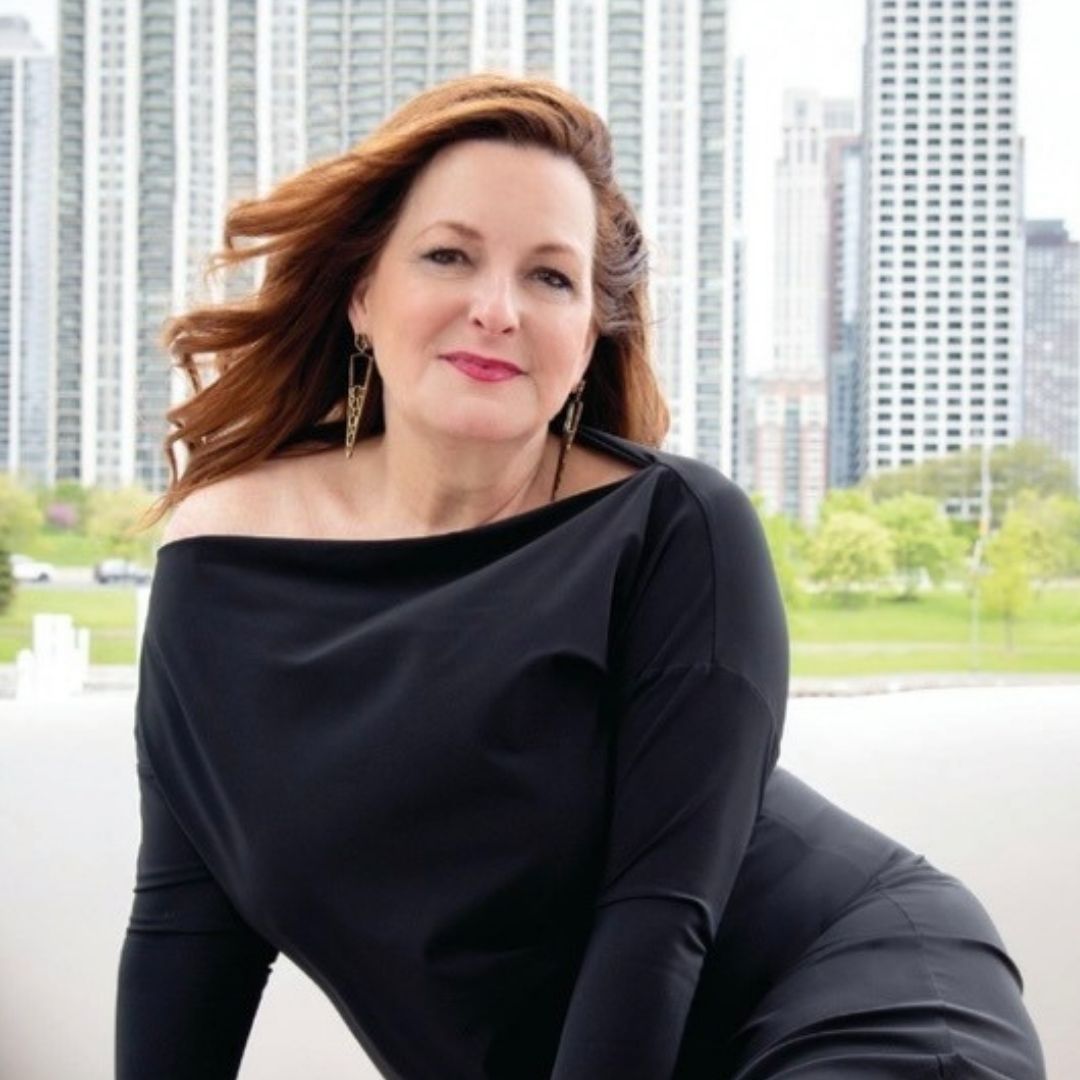
Gordon is able to bring a highly unique voice to the conversation; with a career that has exposed her to both professional beauty and trichology, she has the capacity to view hair through the eyes of a stylist and a scalp scientist.
From her perspective, she believes there is a major shift in thinking that will result in great improvements for salon professionals.
“We tend to look at hair abuse,” Gordon says. “But I really think we have to look at follicle abuse.”
Hair Health Starts Before Hair Reaches the Scalp
Stylists are experts in identifying the manner in which hair can be impacted by factors such as heat, color, environmental exposure, and general dryness; dryness and breakage specifically can help stylists indicate visible cues that there may be signs of further damage to the hair shaft.
But, as Gordon reflects on issues such as hair thinning, it requires professionals to think beyond the strand itself. She describes each follicle of hair as a “little mini organ” emphasizing the importance of nourishment and proper care for follicles, just as we would care for other parts of the body.
Life factors like hormones, diet, and major events that lead to stress change can provide tell-tale signs of damage within one’s hair. This distinction between healthy and unhealthy hair becomes increasingly relevant as clients navigate shifts within their lives.
Gordon points to everything from stress and hormonal changes, as aforementioned, to a lack of proper nutrients and general life shifts as components necessary for consideration when analyzing hair changes.
Rather than only asking what a client has been doing for their hair, this new update to hair health invites an additional question: What have they been doing within their life?
Why Today’s Shedding May Have Started Months Ago
A significant piece of science Gordon shares is the timeline behind the hair growth cycle, which begins with a long growth phase, followed by transitional and resting periods before shedding. Due to this cycle, the moment when shedding is noticed is not necessarily the moment that a shift actually occurred for the client.
Gordon furthers that a substantial event can increase the amount of hair that moves out of the growth phase, thus causing those same hairs to remain in a resting stage for months before eventually being shed. For this reason, clients can be confused when they see excess shedding in the shower when the stressful period is already over. This is why it is key for stylists to understand the cycle, and thus provide their clients with important, helpful context.
The scientific emphasis has the potential to become confusing, so Gordon gives salon professionals a surprisingly simple place to begin, and that is by asking, “When did it start?”
Their answer will help determine whether the client is experiencing sudden changes, or gradual developments.
“If they said to you, ‘I just noticed it,” [and] there’s hair on the pillowcase, there’s more hair in the shower..that’s where there was a trigger two to three months ago,” she explained.
Additionally, internally influenced thinning can offer different clues; individual hairs can become finer, with decreased density and more visible space between specific strands. She explains this scientific evidence with a simple analogy.
“Think of the scalp as a forest and every hair as a tree. …you’re born with every follicle you’re ever going to have,” she said.
Therefore, the goal isn’t to create more “trees,” per say, but instead to support healthier, stronger strands in order to create a denser “forest.”
The condition of the hair matters, and so too does the environment in which it is nurtured.
The Right Next Steps
Having a more in-depth understanding of hair science can enhance other aspects of the conversation, including client expectations, the role of the stylist, and the future of hair expertise.
Clients, understandably, are eager to know when they can expect improvements from a new hair health routine, which Gordon usually measures in months rather than weeks. With Nutrafol specifically, she recommends a minimum of three to six months to see optimal results, and a dedication to a consistent, recommended routine.
At the same time, it’s important for stylists to understand the full scope of their role, which means they should also understand where their role ends. Nutrafol is highly supportive and beneficial, but if a client’s symptoms worsen, it may be time for them to approach their concerns with a dermatologist or appropriate healthcare provider.
This allows stylists to observe changes, be scientifically driven in their inquisitiveness, and have the skill set to recognize when a client would benefit from additional expertise outside of the salon.
For decades, stylist improvement stemmed from improvements to the hair through hair cut, color, and styling; those skills are just as important, but as clients become increasingly invested in their hair wellness, understanding what happens before a strand ever emerges from the scalp gives professionals an additional opportunity to better serve their clients.
“A stylist who understands hair health science will always be at the top of their game,” Gordon says.
Learn more about Nutrafol and the science shaping the future of hair health by tuning into Rooted In wherever you pod. Follow The Tease at @readthetease and @volumeupbythetease for more from the professional beauty industry.
