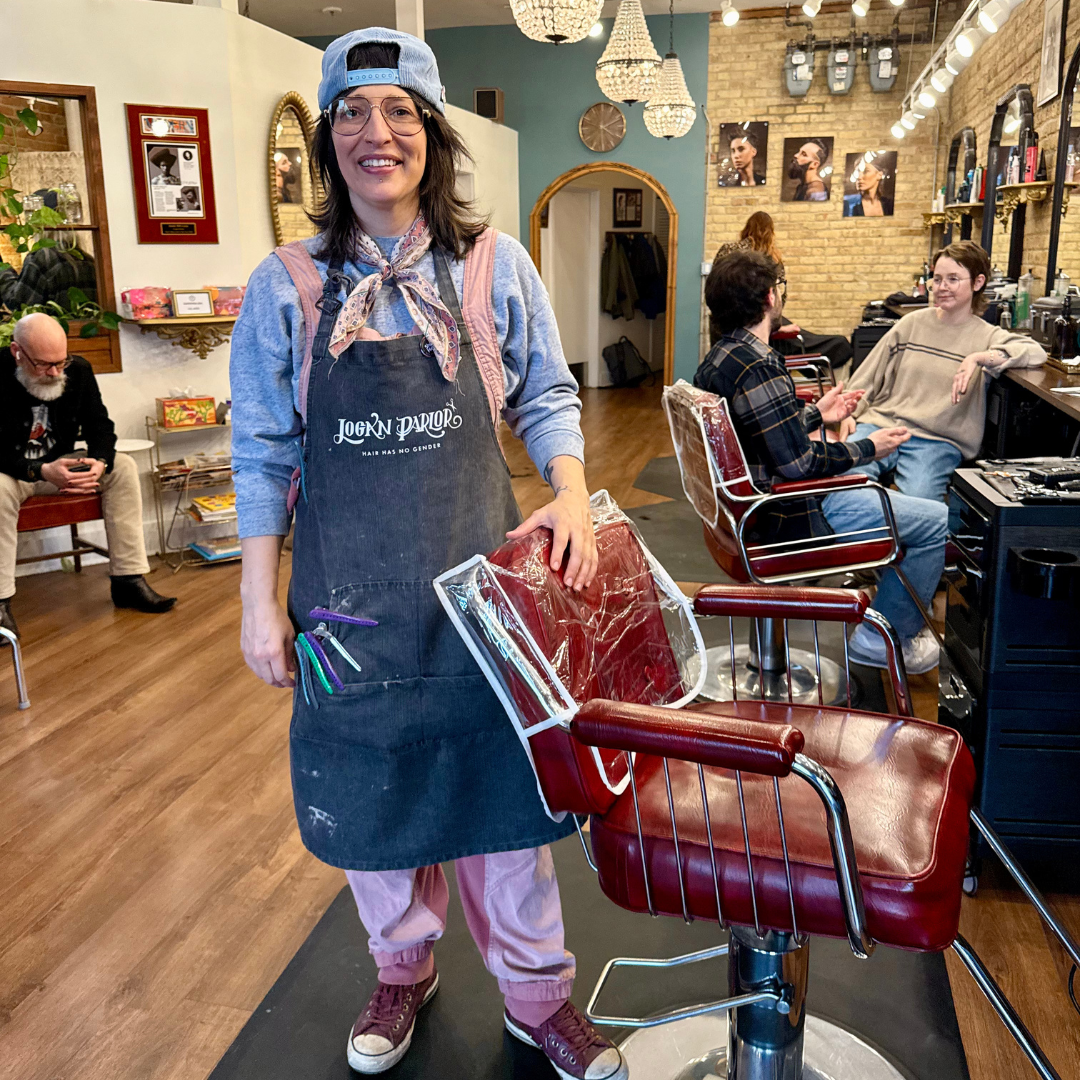
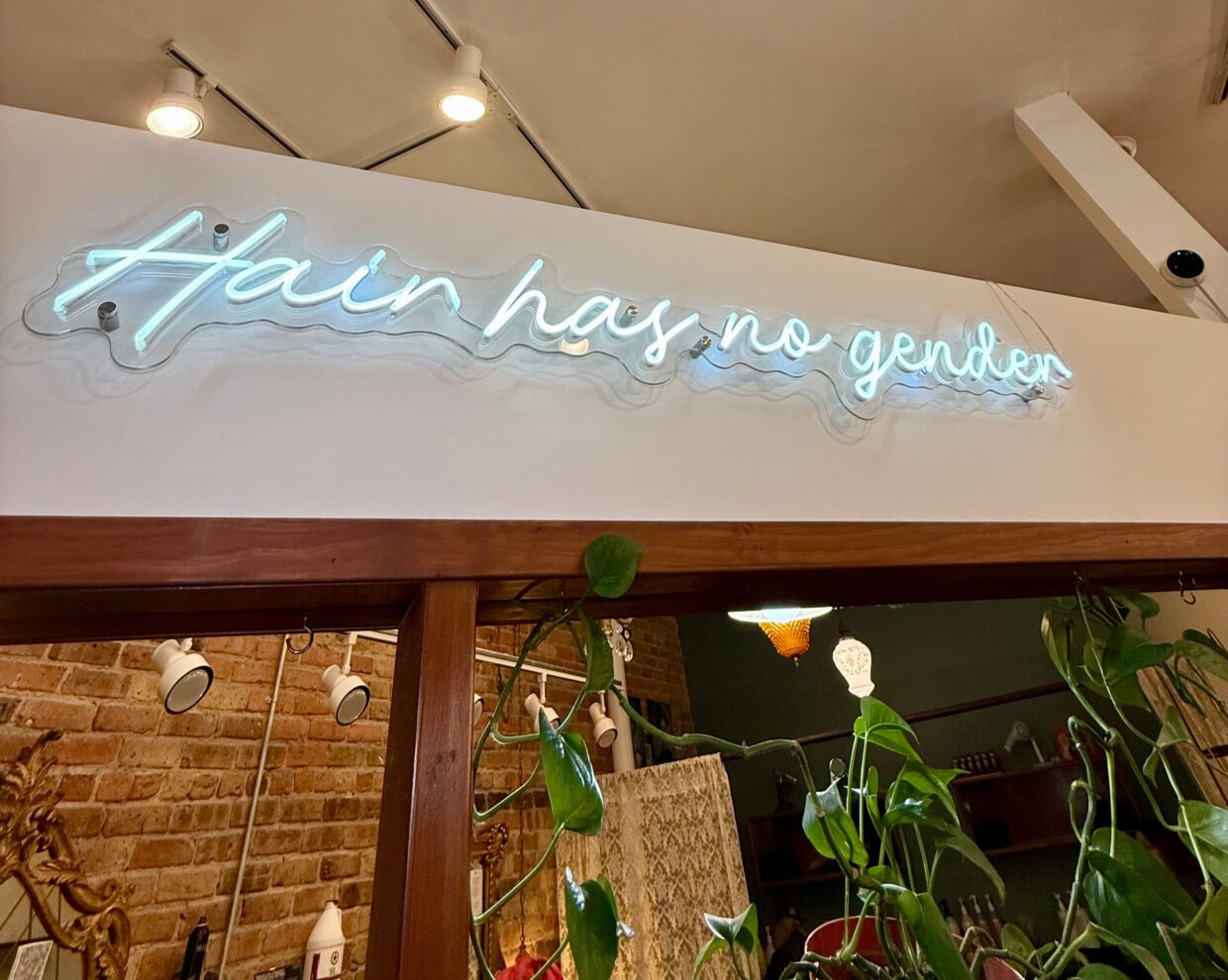
Logan Parlor in Chicago’s historic Logan Square neighborhood is a beautiful space with hardwood floors, exposed brick walls and twinkling chandeliers. It’s also safe — which means something in 2025. The hand-painted sign hanging above the door says “hair has no gender” and features a giant barber pole reimagined in Progress Pride Flag colors. Inside are little visual reminders that you can let your guard down.
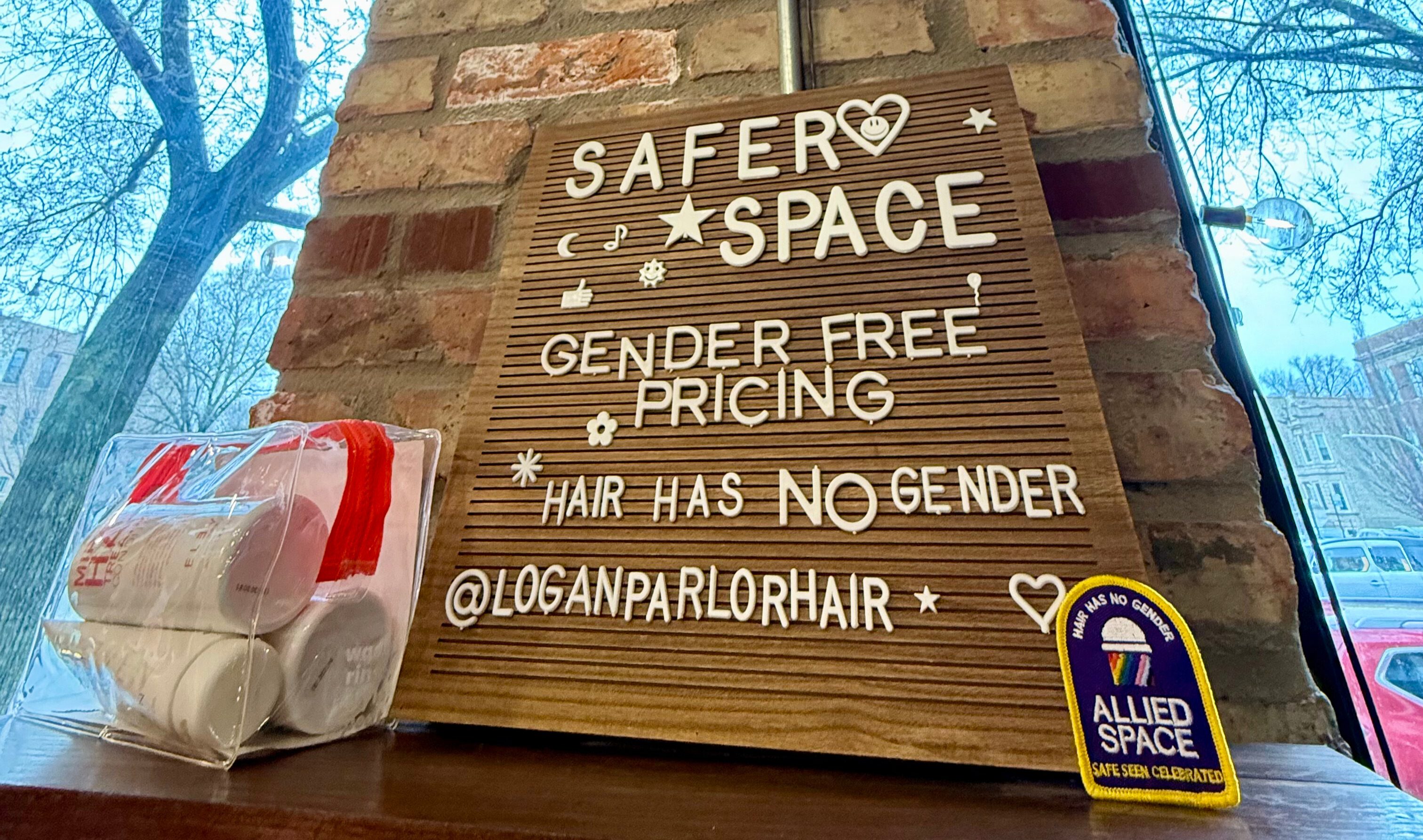
Founded by award-winning hairstylist and barber, Jamie DiGrazia, in 2012, this was always the plan. From day one, DiGrazia implemented a gender-free pricing model — long before the idea was anywhere near mainstream. DiGrazia is strident that salons should be affirming spaces, so much so that she founded a 501(c)(3) non-profit organization, Hair Has No Gender. Its mission, “is to help service providers operate from a place of love, inclusiveness, and acceptance as we celebrate those committed to making a more conscious effort to practice inclusivity.” At Logan Parlor, DiGrazia and team put this into practice with every client.
With the recent acquisition of the space next door, Logan Parlor is double the size of its original footprint and features a space to shoot NAHA-nominated collections and community events.
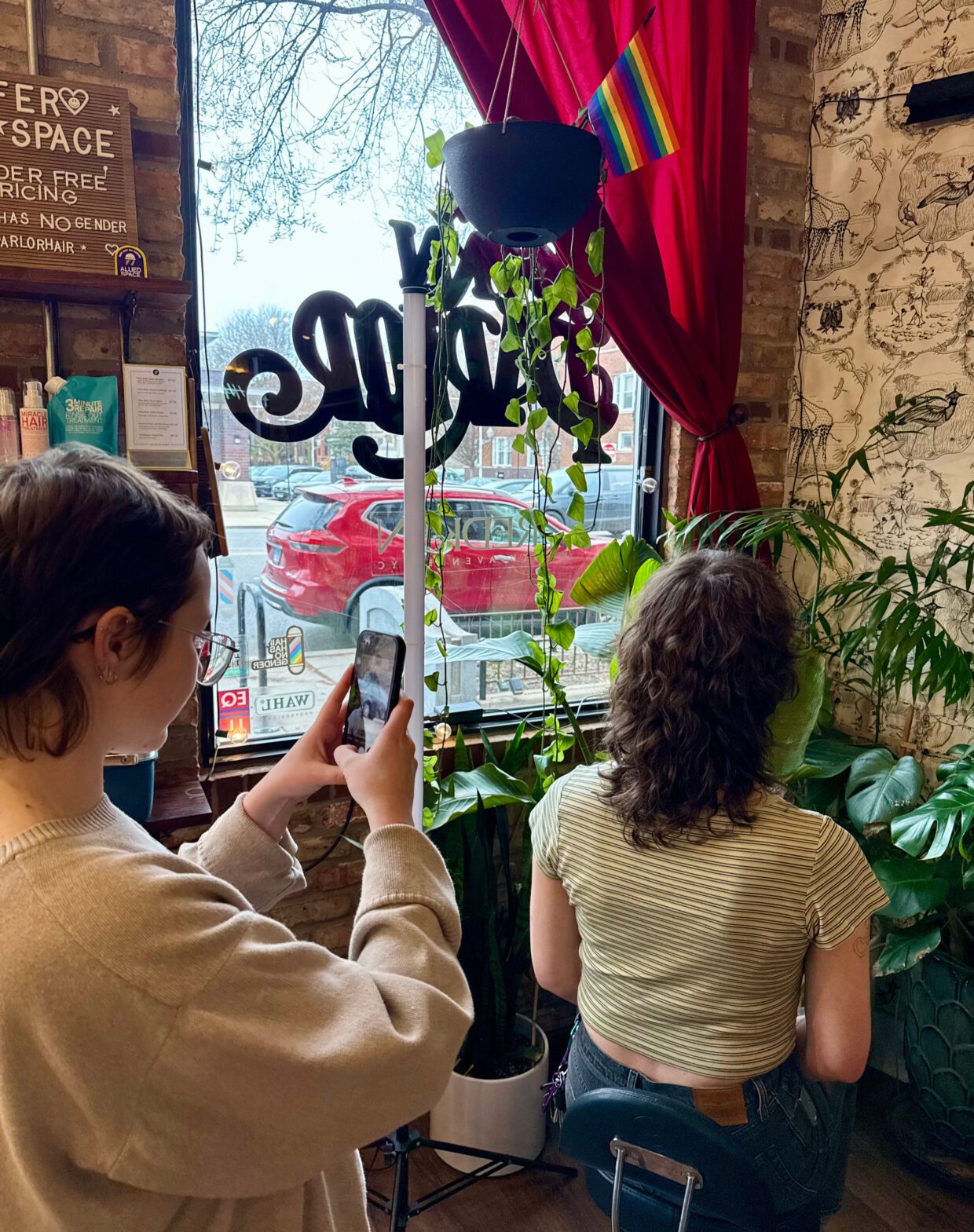
The Tease was fortunate enough to spend an afternoon at Logan Parlor this past spring, shadowing the team through consultations and cuts that prioritized clarity in communication and comfort at all times. Read on for our conversation with DiGrazia.
The Tease: When did you open the salon?
Jamie DiGrazia: “Logan Parlor was established in 2012 and opened its doors in 2013.”
Was it always built on a gender-free pricing model? If not, when did this go into effect?
Jamie DiGrazia: “We opened in 2013 with a gender free pricing structure. It was non-negotiable. As soon as I started in this industry I noticed the unjust and inequitable pricing structure that most salons operated with, and it wasn’t for me, my business or my clientele. Walking guests up to pay for a service based on their perceived gender wasn’t ever a practice I could get behind.
Why should men pay less and women pay more and how do my non binary clients pay? I have a lot of queer clients that don’t conform to traditional gender based looks and this was just never an option that would serve me, my clients or the business.”
Why is gender-free pricing important to you?
Jamie DiGrazia: “Walking guests up to pay for their service based on their gender just isn’t a business practice that has ever made sense to me. You never know the length, density and look someone is going for if the schedule only reflects their perceived gender. I needed to have a structure that would base my prices on the time it would take, my talent, and the product used. Basing my bookings and prices this way allows me to maximize the schedule, charge a fair price to clients, and be paid for my time and talent.”
How can other pros change their pricing to be reflective of this model?
Jamie DiGrazia: “Now that online booking is the norm, it’s the easiest it’s ever been. It really could be as simple as charging your ‘mens’ cut, to a ‘short’ haircut, or a ‘barber-inspired’ haircut, and your ‘women’s’ haircut to a ‘shoulder-length’ and ‘mid-back’ option. You can even have a ‘transformation’ haircut option for when people want a big change, so that way we stop running late because we had no idea someone would need twice as much time than a maintenance haircut.”
After what seemed like years of progress there is a concerted effort to erode rights from the LGBTQ+ community — the trans community, in particular, has been a target of legislation across the country. How is Logan Parlor ensuring it is a safe space for members of LGBTQ+ community?
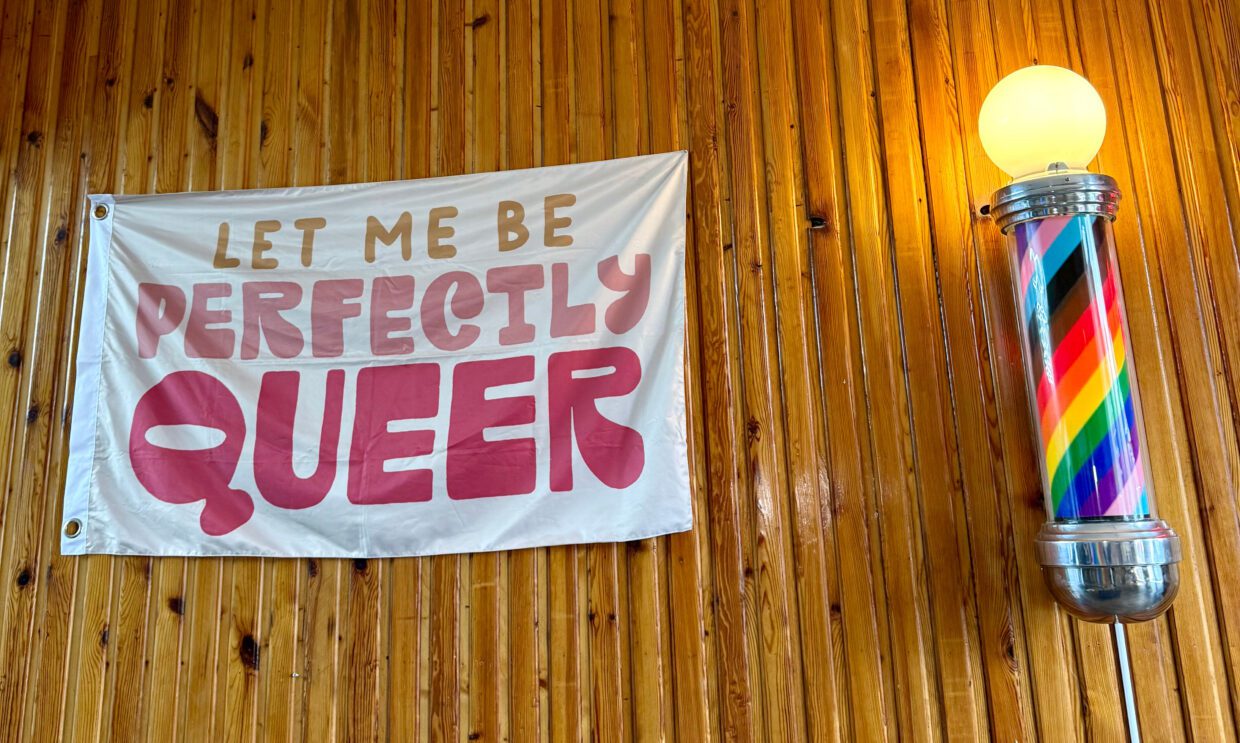
Jamie DiGrazia: “Signalling through active allyship that we support and want to serve the Trans and queer community. We fly the flag year round, make charitable contributions to LGBTQ+ orgs and host fundraisers, host community events centeringTrans and queer folx, practicing asking and honoring people’s pronouns, and having creative freedom and non judgment during their services offering affirming consultations.”
How can others across the salon professional industry join in allyship?
Jamie DiGrazia: “Self select to move to a gender-free pricing structure. Have an all gender bathroom, chances are you already have one, but actively making people aware that all genders matter and are celebrated. Once you have these things in place and are committed to making your salon a safer place for queer people, you can list your business on the affirming service finder on our website (hairhasnogender.org) and show your commitment to supporting a gender inclusive environment.
You can donate or host fundraisers to support our efforts to organize and build community, share resources and education and continue the work needed to create a less divided, diverse and inclusive beauty industry. This goes beyond gender, but extends to all the intersectionalities that our industry represents and serves. We have free virtual training in partnership with SalonCentric beginning in July 2025 that will be focused on inclusive and affirming education. Each month we will host an industry expert leading change in their field of expertise. We also host virtual and in person inclusive education, and technical skill training.”
What else do you want beauty pros to know?
Jamie DiGrazia: “I want hairdressers and salon owners to know that they’re participating in this whether they realize it or not. They have queer clients, co-workers and community members that they serve. They have to be active allies, we can’t always rely on someone else to support us — some of our advocacy groups aren’t interested in LGBTQ+ issues. We have to support ourselves and the organizations that have commitments to diversity, equity and inclusion.
Find out how the brands you are in partnership align with your values. I, for one, really appreciate L’Oréal’s dedication to partnering on creating inclusive education and I, personally, won’t spend my queer dollars with anyone else that doesn’t have the same level of commitment.
The feedback I am getting doing this work is that people don’t want to be involved in subjects that are ‘divisive’ or ‘political.’ I’m unsure how human rights are divisive but a lot of larger companies don’t want to be ‘political,’ but since my identity and rights are now political, here I am. The beauty advocacy groups that aren’t centering LGBTQIA+ rights and don’t bother to support us, need to be reminded that a lot of us, the clients, the salons owners, the stylists, care about and are a part of the LGBTQIA community, and we aren’t going anywhere and we are literally the future of the industry. Almost 25% of Gen Z identify as LGBTQ+!
It’s been very disheartening for people to tell me they ‘don’t see the need’ for this kind of work or education. Makes me wonder how conscious, inclusive and diverse they actually are.”